
The Meaning of the Kaviani Banner in Persian History
The Meaning of the Kaviani Banner in Persian History
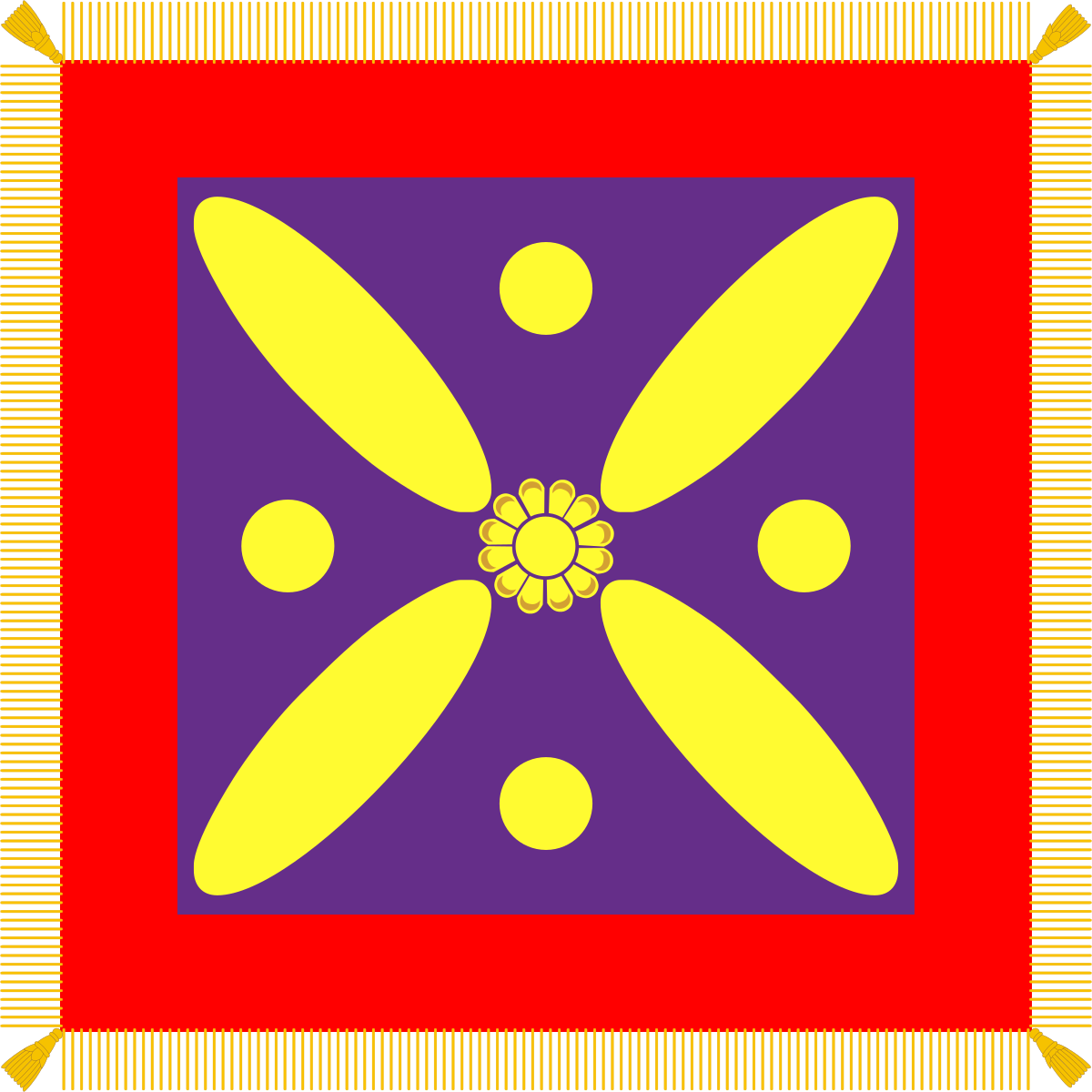
The Kaviani banner, known as Derafsh-e Kaviani, is one of the most powerful symbols in Persian history. Unlike mythological creatures or abstract philosophy, the Kaviani banner represents resistance, unity, and the struggle against oppression. It is a symbol born from rebellion and transformed into a national emblem.
To understand the Kaviani banner is to understand a defining moment in Iranian cultural identity.
Origins of the Kaviani Banner
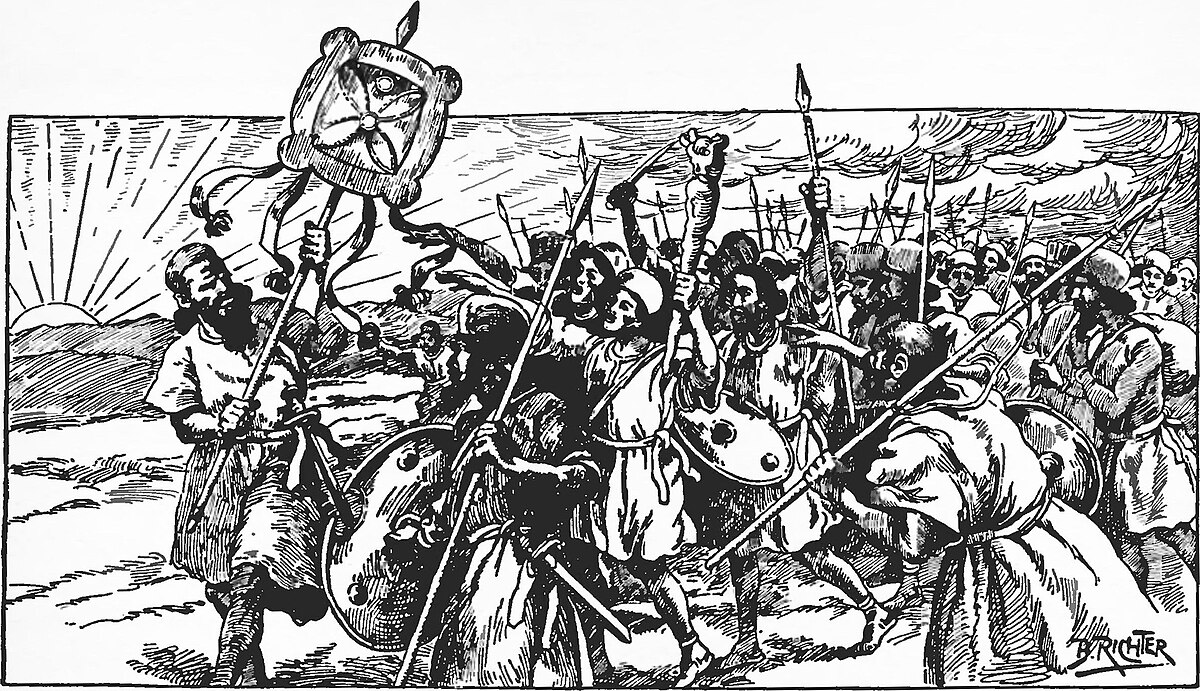
The story of the Kaviani banner originates in Persian epic tradition, most notably in Ferdowsi’s Shahnameh. It is associated with Kaveh the Blacksmith, a common man who rose against the tyrant Zahhak, a ruler depicted as cruel and oppressive.
According to the epic, Kaveh led a rebellion by raising his leather blacksmith apron as a flag. This simple act transformed an everyday object into a symbol of defiance and collective resistance. As people rallied behind him, the banner came to represent the voice of the oppressed and the power of unity.
This moment marks the birth of the Kaviani banner.
From Rebellion to National Symbol
After the fall of Zahhak, the banner was no longer a symbol of rebellion alone. It was adorned with jewels and colors and became the royal standard of Persian kings during the Sassanian era. Known as the Derafsh-e Kaviani, it symbolized legitimacy, sovereignty, and national unity.
What makes the Kaviani banner unique is its origin. Unlike royal emblems created by rulers, it was born from the people. Its power comes from the idea that authority should rise from justice, not fear.
This concept remains deeply rooted in Persian cultural memory.
Symbolism of the Kaviani Banner
The Kaviani banner represents several core values.
It symbolizes resistance against tyranny, the unity of people under a just cause, and the transformation of struggle into identity. The banner also represents courage, leadership, and the belief that ordinary individuals can shape history.
In Persian culture, the Kaviani banner is a reminder that dignity and freedom are earned through collective action and moral conviction.
The Kaviani Banner in Modern Persian Identity
Today, the Kaviani banner is remembered not only as a historical artifact but as a symbol of Iranian resilience and pride. It appears in art, literature, and cultural references as a reminder of standing against injustice.
For many, Kaviani represents the idea that identity is forged through struggle and preserved through memory. It is a symbol that speaks across generations, connecting ancient resistance to modern expressions of cultural pride.
Kaviani in Contemporary Persian Streetwear
When translated into modern Persian streetwear, Kaviani symbolism becomes deeply meaningful. It is not about decoration, but about message. Designs inspired by Kaviani represent strength, resistance, and independence.
In streetwear, Kaviani reflects the idea of wearing values, not just graphics. It allows individuals to express cultural pride, resilience, and historical awareness through fashion.
At Xodafez, Kaviani inspired designs represent leadership, defiance against conformity, and loyalty to cultural roots.

Why Kaviani Still Matters Today
The story of Kaviani endures because it speaks to universal values. It reminds us that power can come from the people, that resistance can shape history, and that identity is strengthened through shared struggle.
In a modern world where cultural meaning is often diluted, the Kaviani banner stands as a reminder of authenticity, courage, and collective strength. It remains one of the most profound symbols in Persian history.